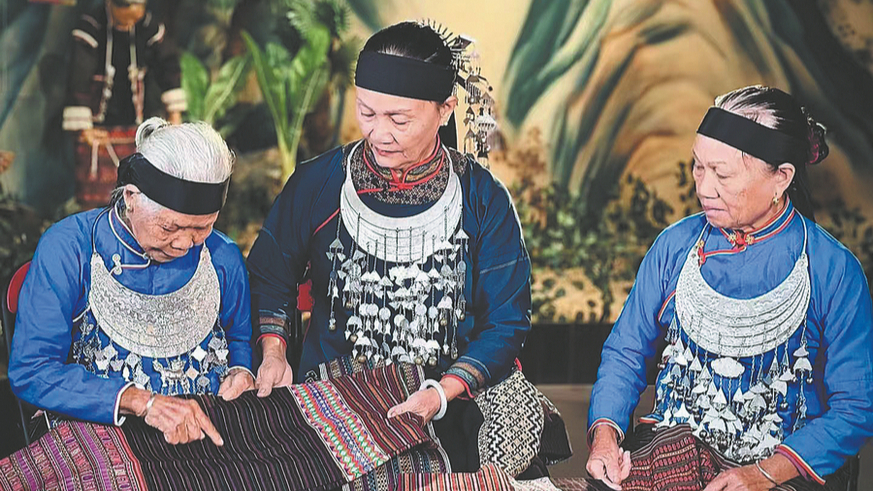
Li Ethnic Group
Introduction
The Li ethnic group is a recognized ethnic group in China, primarily residing in Hainan Island. Known for their rich cultural heritage and unique traditions, the Li people have a long history that is deeply intertwined with the natural environment of Hainan. Their culture, particularly in the areas of textile craftsmanship and pottery-making, has been recognized for its historical significance and artistic value. These traditions not only highlight the creativity and skill of the Li people but also serve as a testament to their enduring cultural identity.
History
The origins of the Li ethnic group can be traced back to the indigenous peoples of Hainan Island, with a history that spans thousands of years. Archaeological evidence suggests that the Li people have inhabited Hainan since ancient times, developing a distinct culture that has evolved over the millennia. Historically, the Li have been known for their close relationship with the natural environment, relying on agriculture, fishing, and handicrafts for sustenance and economic activity.
Culture
Language
The Li ethnic group primarily speaks the Li language. There are different dialects spoken by the Li people, each corresponding to different regions of Hainan Island. Due to the absence of a written language, the Li people have preserved their rich oral traditions, which include folklore, myths, and legends, passed down through generations.
Li Brocade
The Li brocade is a hallmark of Li cultural heritage, known for its intricate designs and vibrant colors. This traditional textile art encompasses spinning, dyeing, weaving, and embroidery techniques that have been passed down from mothers to daughters for generations. Li brocade is renowned for its use of warp ikat, double-face embroidery, and single-face jacquard weaving. The patterns used in Li brocade are not only aesthetically pleasing but also serve as a record of the history, beliefs, and traditions of the Li people. Recognized as a national intangible cultural heritage, Li brocade is celebrated for its cultural significance and artistic mastery.
Pottery
Li pottery showcases the wisdom and creativity of the Li people. Their traditional techniques, such as the mud strip coiling method and open-air firing, have been handed down from generation to generation. Li pottery is characterized by its simplicity, durability, and the natural beauty of its finishes. It is used for both everyday items like bowls and jars, and for decorative purposes. The Li people's deep respect for nature is reflected in their choice of materials and firing methods, making their pottery not only functional but also a work of art. The preservation and promotion of Li pottery artistry contribute to the rich cultural diversity of China.
Festivals
The Li ethnic group celebrates a variety of traditional festivals that reflect their cultural values and ancestral heritage. These festivals often involve rituals, music, dance, and the crafting of traditional textiles. They provide an opportunity for the Li people to come together as a community, strengthen social bonds, and pass on cultural knowledge to younger generations. Key festivals include the Sanyuesan Festival, which marks the start of spring and is celebrated with dance, music, and traditional games.
Cuisine
Li cuisine is characterized by its use of locally sourced ingredients and traditional cooking methods. Staple foods include rice, fish, sweet potatoes, and various tropical fruits and vegetables. The Li people are known for their skill in preparing delicious dishes using fresh, natural ingredients, often incorporating tropical flavors unique to Hainan Island. Traditional Li dishes showcase the culinary diversity and resourcefulness of the Li people.
Music and Dance
Music and dance play a vital role in Li culture, serving as both entertainment and a means of cultural expression. Traditional Li music includes the use of indigenous instruments, such as bamboo flutes and drums, to create rhythmic and melodic compositions. Dance performances often accompany musical events, featuring dynamic movements and colorful costumes that reflect the vibrant spirit of the Li people. These cultural expressions are integral to Li festivals and ceremonies, preserving the traditions and values of the community.
Economy
Agriculture
Agriculture is a cornerstone of the Li economy, with the cultivation of crops such as rice, sweet potatoes, and various fruits being central to their livelihood. Traditional farming practices have been maintained over the years, reflecting the Li people's connection to the land and their reliance on natural resources. The Li community often engages in cooperative farming activities, which foster a sense of unity and shared responsibility.
Handicrafts
Handicrafts, particularly textiles and pottery, are significant components of the Li economy. The Li people are renowned for their exquisite craftsmanship in weaving and embroidering the Li brocade, which is both an economic asset and a cultural treasure. Additionally, traditional pottery-making, recognized as a national intangible cultural heritage, is another important craft that provides economic opportunities for the Li people. These handicrafts not only contribute to the economic well-being of the Li community but also serve as a means of cultural preservation and promotion.
Culture Preservation and Promotion
Efforts to preserve and promote Li culture have been undertaken at both the local and national levels. The establishment of cultural centers, museums, and educational programs has been instrumental in safeguarding the Li's intangible cultural heritage. Initiatives such as training programs for traditional crafts and the inclusion of Li culture in school curricula aim to ensure the transmission of cultural knowledge to future generations. Additionally, cultural exchange events and international exhibitions have provided platforms for showcasing Li culture on a global stage, fostering greater appreciation and understanding of the Li's rich cultural legacy.








